How to Choose a Security Camera System for an HOA or Gated Community
Security cameras for an HOA or gated community should cover the primary gate entry, any secondary access points, parking areas, and common facilities like pools and clubhouses. Cloud-based systems with remote management allow property managers to review footage and manage cameras from any location without being on-site. Integration with the gate access system is strongly recommended.
What an HOA Camera System Actually Needs to Cover
The starting point for any HOA or gated community camera system is a comprehensive site walk to map every access point and common area that needs coverage. In ParkPro’s experience across Phoenix metro communities, the locations that generate the most footage requests — and the most security incidents — are the main gate entry, the pedestrian access points that residents use at odd hours, and the parking areas where vehicle damage and theft are most common.
Pool areas and clubhouses are secondary priorities. They need coverage for liability reasons as much as security — documentation of how facilities are used and who is present during incidents is valuable for both security response and HOA board decision-making.
Camera Types That Work for Community Environments
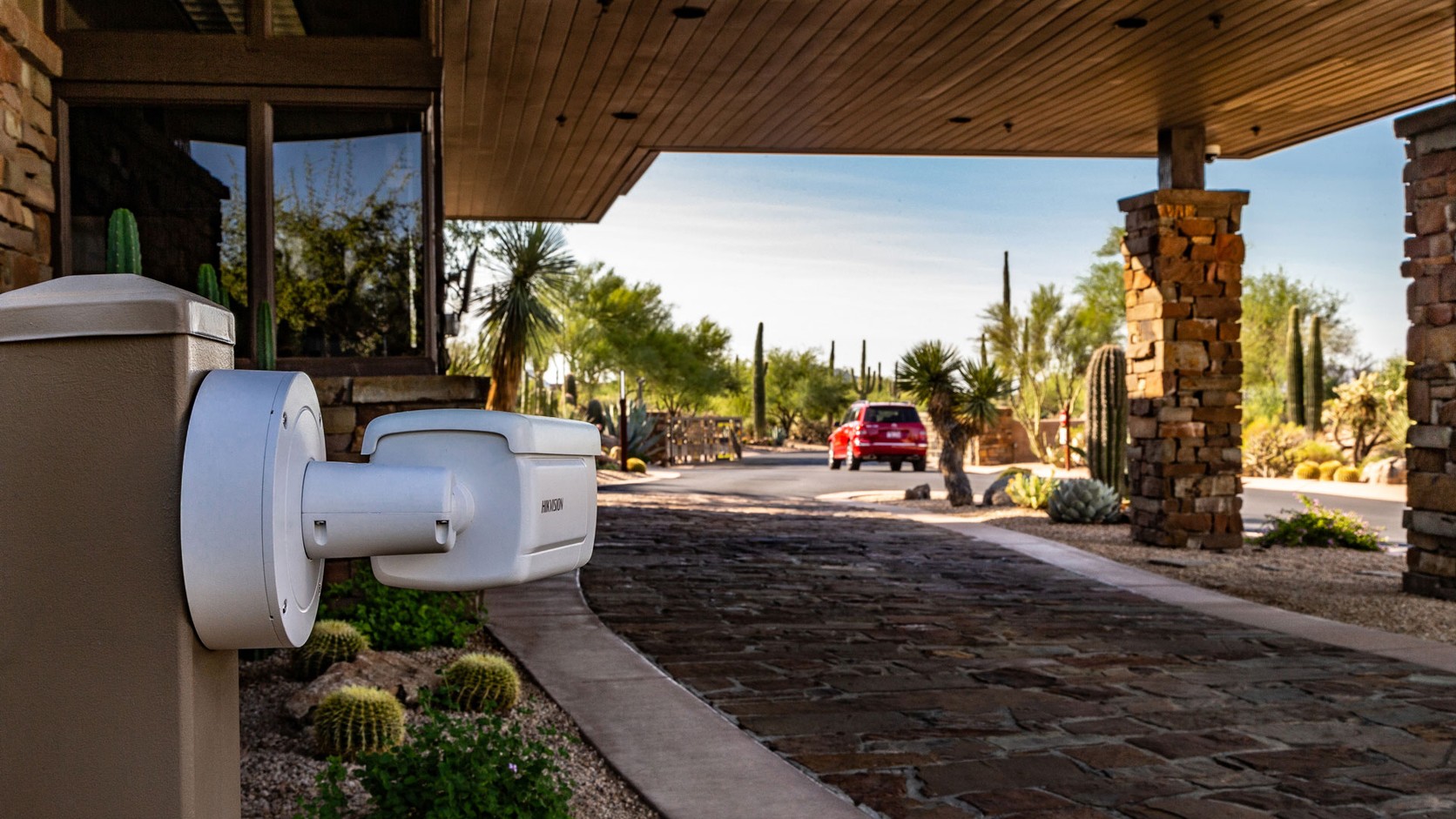
Entry gate cameras need to capture license plates and faces simultaneously — which means understanding the geometry of the approach. A camera mounted too high loses plate detail. One mounted at the wrong angle misses faces. Gate entry cameras typically require a specific positioning approach that differs from standard residential camera installation.
Parking area cameras need wide-angle coverage combined with enough resolution to zoom into specific vehicle positions and read license plates across the full lot. A 4K camera with digital zoom capability at the lot perimeter is typically more effective than multiple lower-resolution cameras scattered across the space.
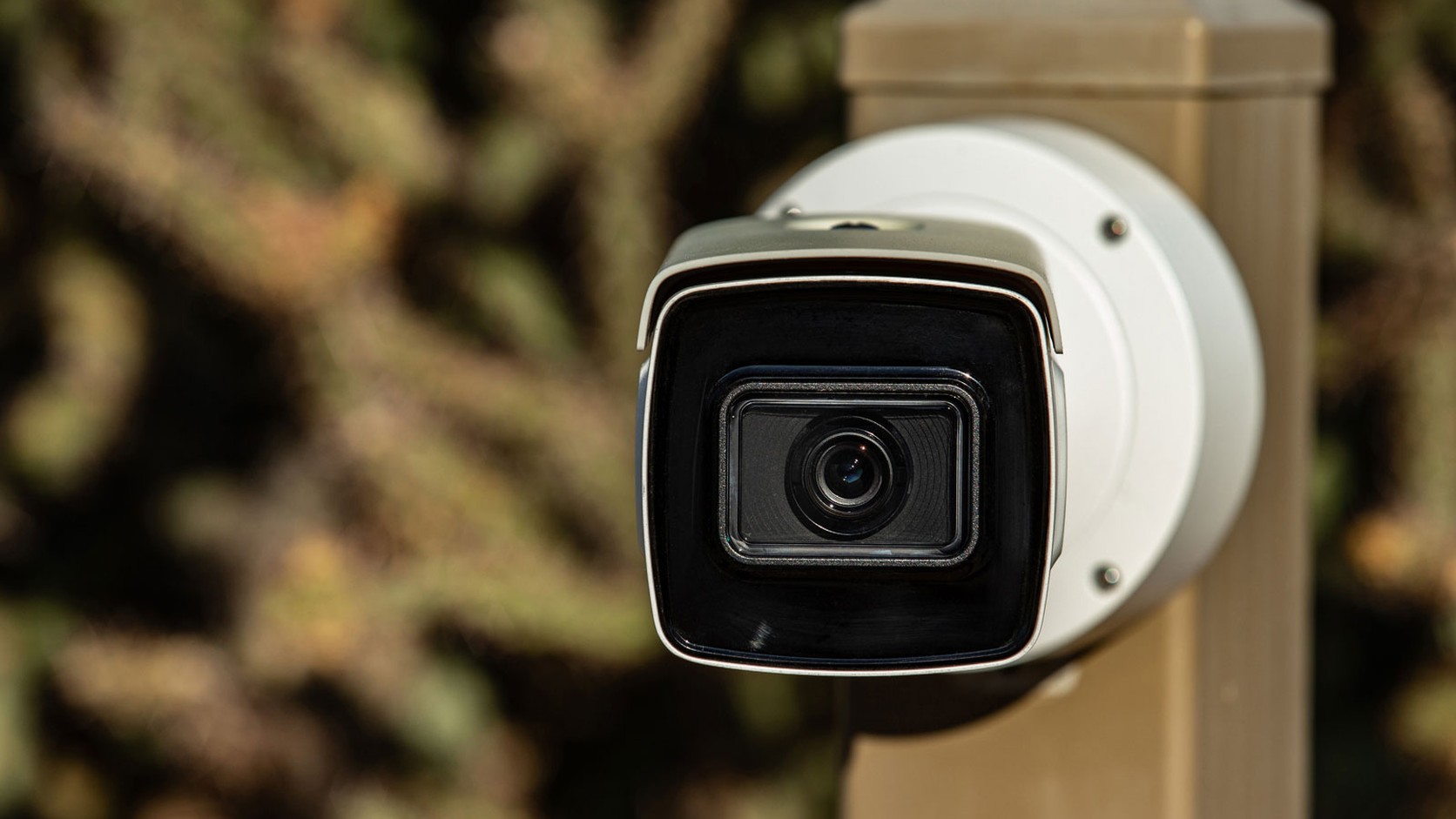
Common area cameras should be visible — deterrence is a significant part of their value. Visible cameras at pool entries, clubhouse doors, and mail areas communicate that the community is actively monitored. This changes behavior before incidents happen.
Remote Management — Essential for HOA Property Managers
An HOA property manager covering multiple communities across Gilbert, Chandler, and Scottsdale cannot be on-site at every property to review footage when an incident is reported. Cloud-based camera systems allow footage review, camera status monitoring, and system management from any browser or mobile device.
When a resident reports a vehicle break-in at 7am, the property manager should be able to pull up the parking lot footage from the previous night within minutes — from home, from another property, from anywhere. A system that requires on-site access to review footage is a significant operational limitation for any HOA management company.
Integration With Gate Access Control
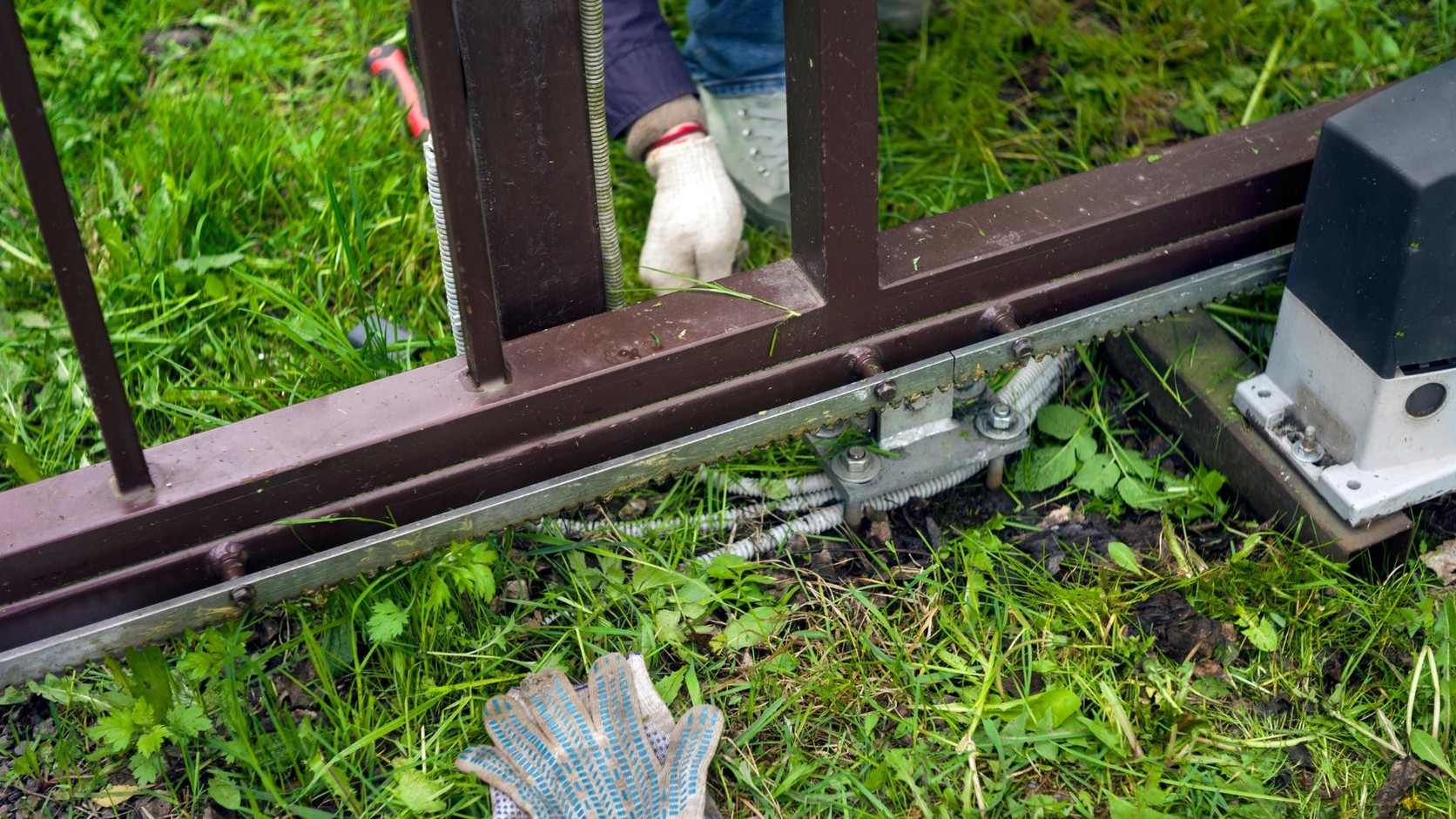
The most useful HOA security setups pair cameras with the gate’s
access control system on a common platform. When someone uses their credential to open the gate, the system automatically flags the corresponding video clip — pairing the access event with the footage in a single searchable record.
For communities that have had incidents involving unauthorized entry, fake credentials, or disputes about who was on the property at a specific time, this integration is operationally significant. The answer to who was at the gate at 11:47pm is a ten-second search, not an hour of manual footage review.
Storage and Retention — What the HOA Board Needs to Know
HOA boards frequently ask how long footage needs to be retained. There is no universal answer, but 30 days is a common minimum for communities with active incident histories. Some communities with significant security concerns or litigation exposure retain footage for 60 to 90 days.
Storage cost scales with camera count, resolution, and retention period. A well-specified system sizes the network video recorder’s storage to the actual retention requirement — not undersized to save money upfront, which forces overwriting footage before incidents are discovered.
ParkPro Serves HOA Communities Across the Phoenix Metro
ParkPro has been designing and installing
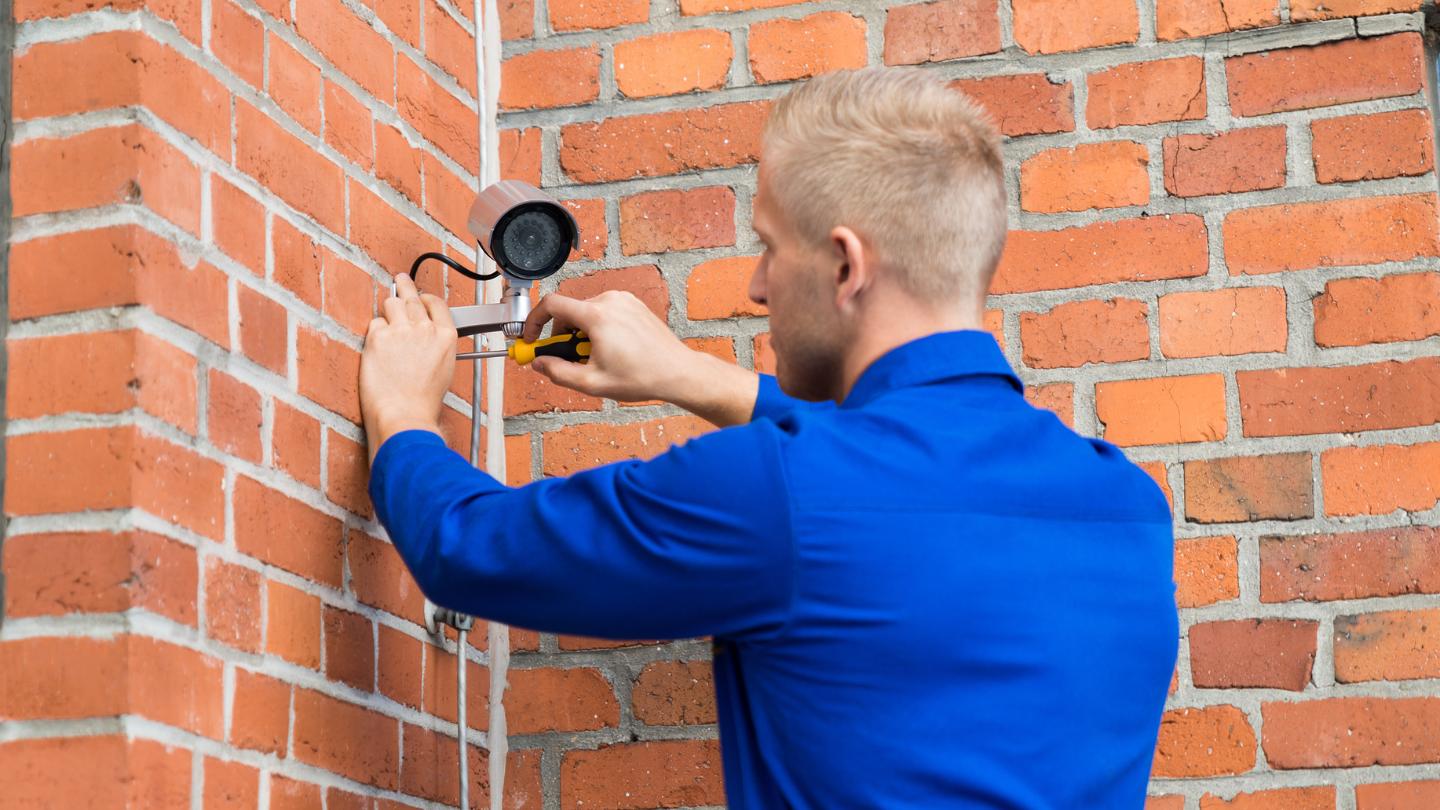
security camera systems for HOA communities and gated properties across Phoenix, Mesa, Scottsdale, Chandler, Gilbert, Tempe, and Avondale since 1978. The team understands the specific requirements of community management: board approval processes, phased installation budgets, and coordination with existing gate and access infrastructure.
parkpro.com/contact/ to schedule a free community assessment.