What Is Smart Keyless Entry? A Complete Guide for Homeowners and Businesses
Smart keyless entry is an access control system that lets authorized users enter a property without a physical key. Instead of a key, entry is granted through a PIN code, key fob, card credential, mobile app, or biometric scan. These systems are used in residential homes, commercial buildings, and gated communities across Phoenix and the Valley.
How Smart Keyless Entry Actually Works
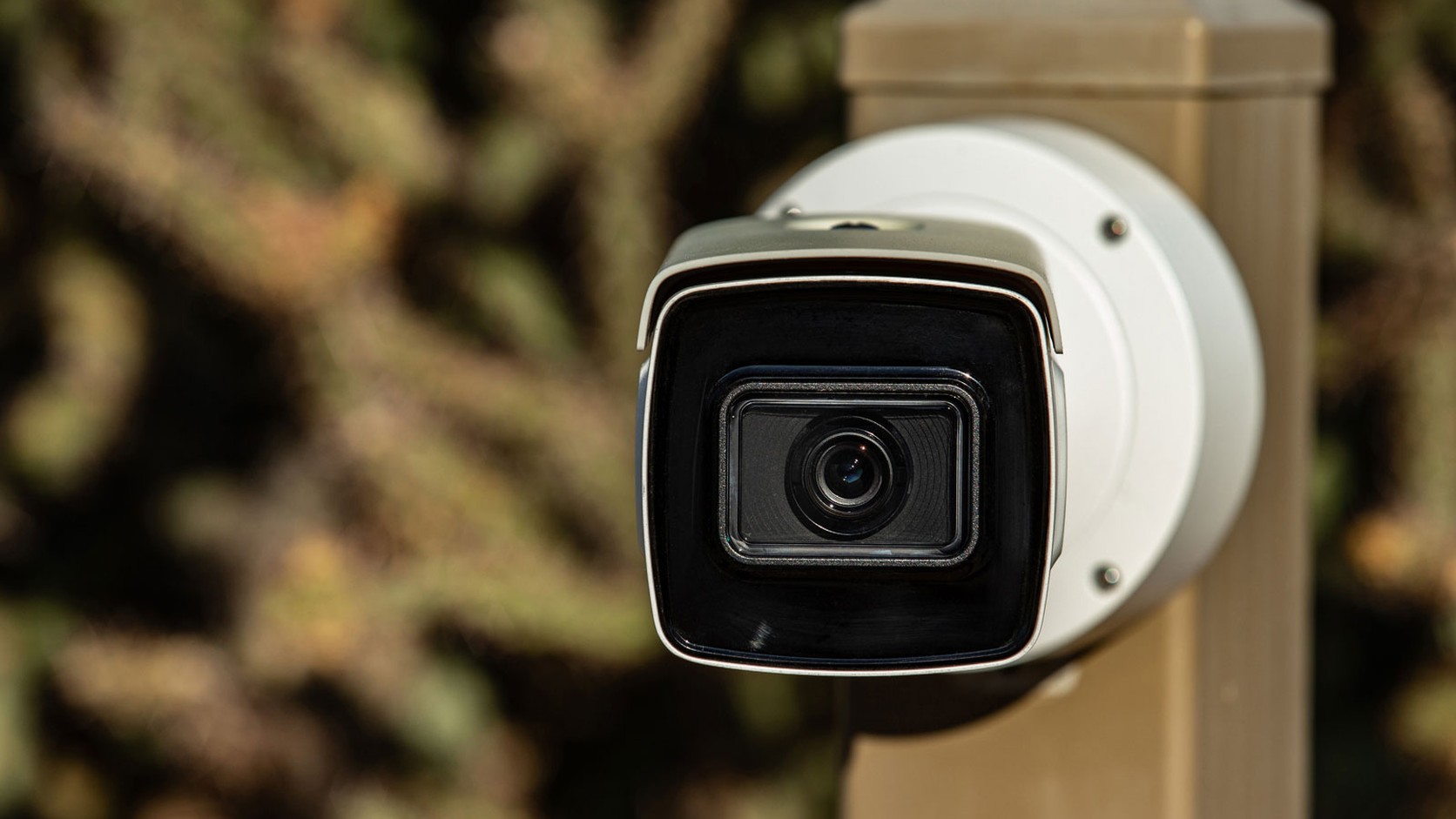
Every keyless entry system has two sides: the credential and the reader. The credential is what the user presents a card, a code, a phone, a fingerprint. The reader is the device at the door or gate that checks the credential and decides whether to grant access.
When the reader recognizes a valid credential, it sends a signal to an electronic lock or gate operator, which releases the latch or triggers the opening cycle. The whole process takes less than a second.
More advanced systems add a controller layer between the reader and the lock a small computer that manages access rules, keeps an audit log, and allows remote management. This is where cloud-based systems differ from basic keypads. A basic keypad just checks whether the PIN is correct. A cloud-based controller tracks who entered, when, and from which reader.
Types of Smart Keyless Entry Systems
Keypad entry is the most common type for residential and small commercial applications. A user enters a PIN and the door or gate opens. Codes can be changed easily, and multiple codes can be issued to different users. The limitation is that codes get shared contractors hand them to helpers, family members tell neighbors.
Key fob and card systems assign a physical credential to each user. The fob or card communicates with the reader via RFID. If a fob is lost or an employee leaves, that specific credential is deactivated in the system without affecting anyone else. This is standard for commercial buildings and apartment complexes.
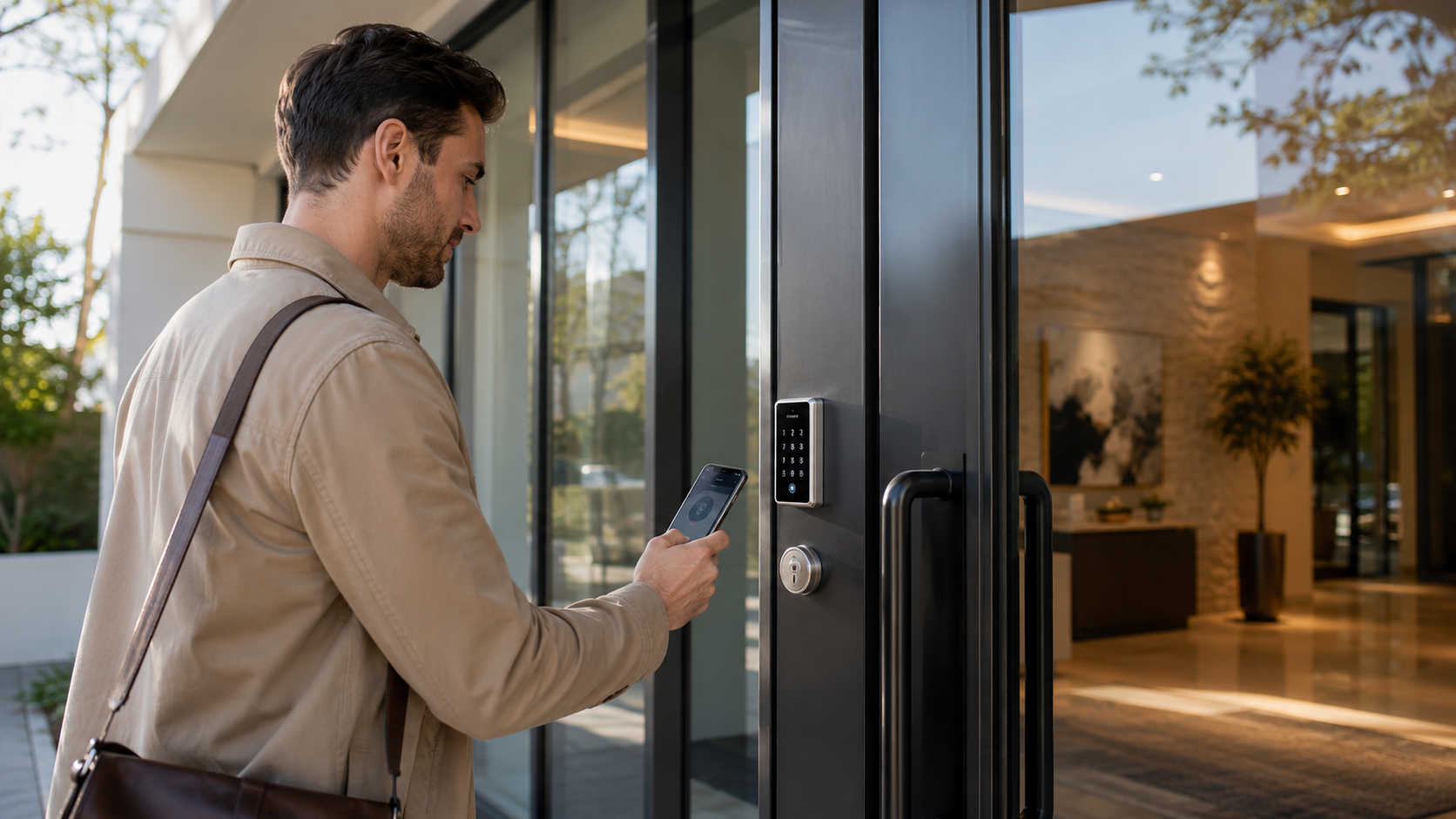
Mobile credential systems use a smartphone app as the credential. The phone communicates with the reader via Bluetooth or NFC. No physical card to issue, lose, or replace. ParkPro’s
cloud access control systems support mobile credentials with full remote management from any device.
Biometric systems use a fingerprint or facial scan as the credential. No card, no code, no phone the person is the key. These are used in high-security commercial applications where credential sharing is a serious concern.
Smart Keyless Entry vs Traditional Keys: The Real Differences
Physical keys are difficult to track. When a key is copied, you have no record of it. When someone loses a key, you either rekey the lock which costs time and money or accept that an unknown number of copies of that key may be in circulation.
Keyless systems eliminate that problem. Every credential is tied to a specific person or role. Access can be granted, modified, or revoked in real time without touching the hardware at the door. If a property manager needs to give a contractor access for one week, they set an expiry date on that credential. No key to collect afterward.
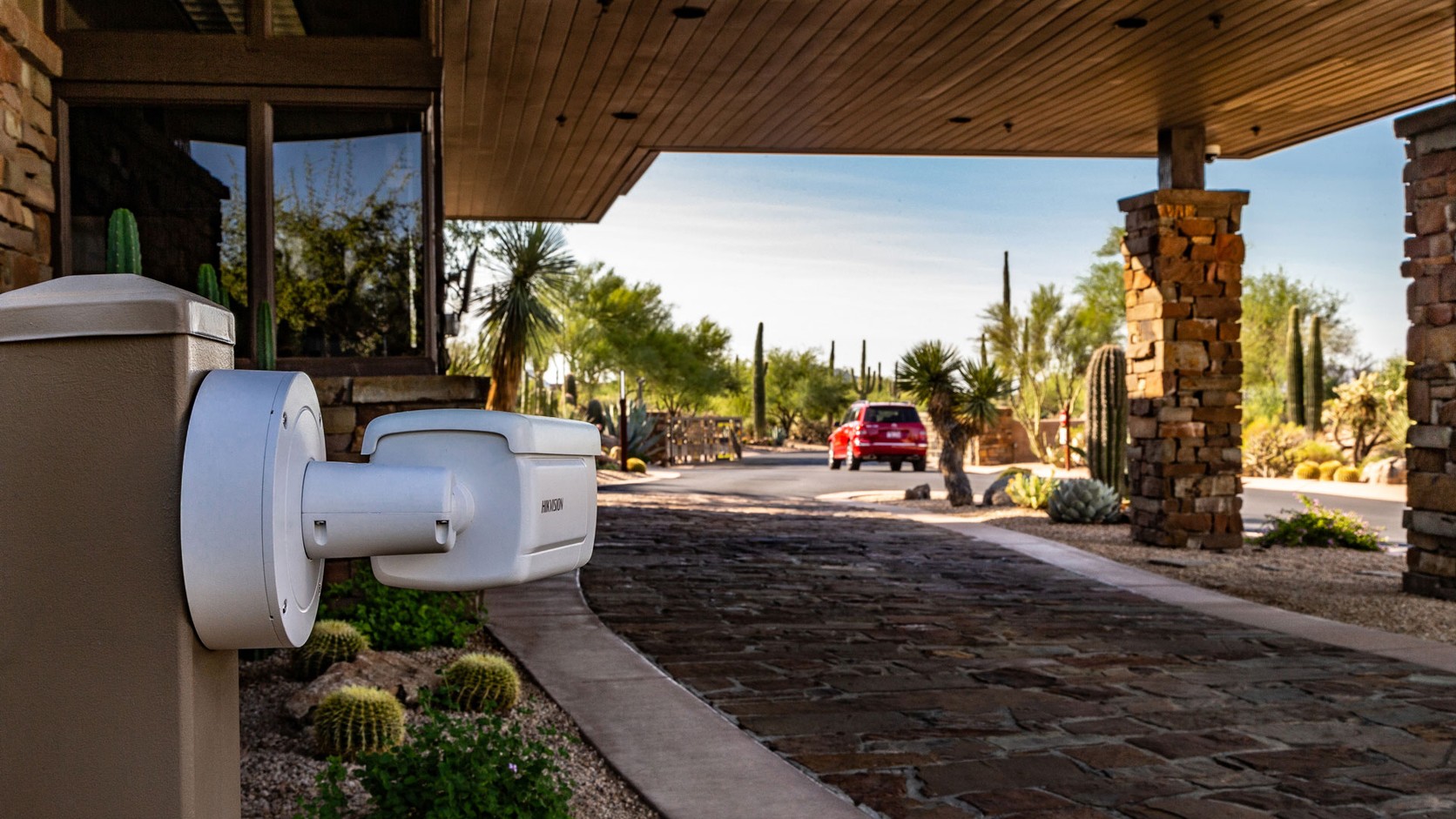
For HOA property managers across Chandler, Scottsdale, and Gilbert, this level of control is particularly valuable. Managing gate access for hundreds of residents with physical keys is logistically impossible. Managing it with a
smart entry solution takes minutes from a web dashboard.
What to Look For When Choosing a System
Start with the use case. A residential homeowner needs something simpler than a commercial facility manager. The right system is the one that matches the actual security need, traffic volume, and management requirements of the property.
Scalability matters if the property might expand. A system that maxes out at 50 users is the wrong choice for a growing apartment complex. Cloud-based systems generally scale without hardware changes you add users in software.
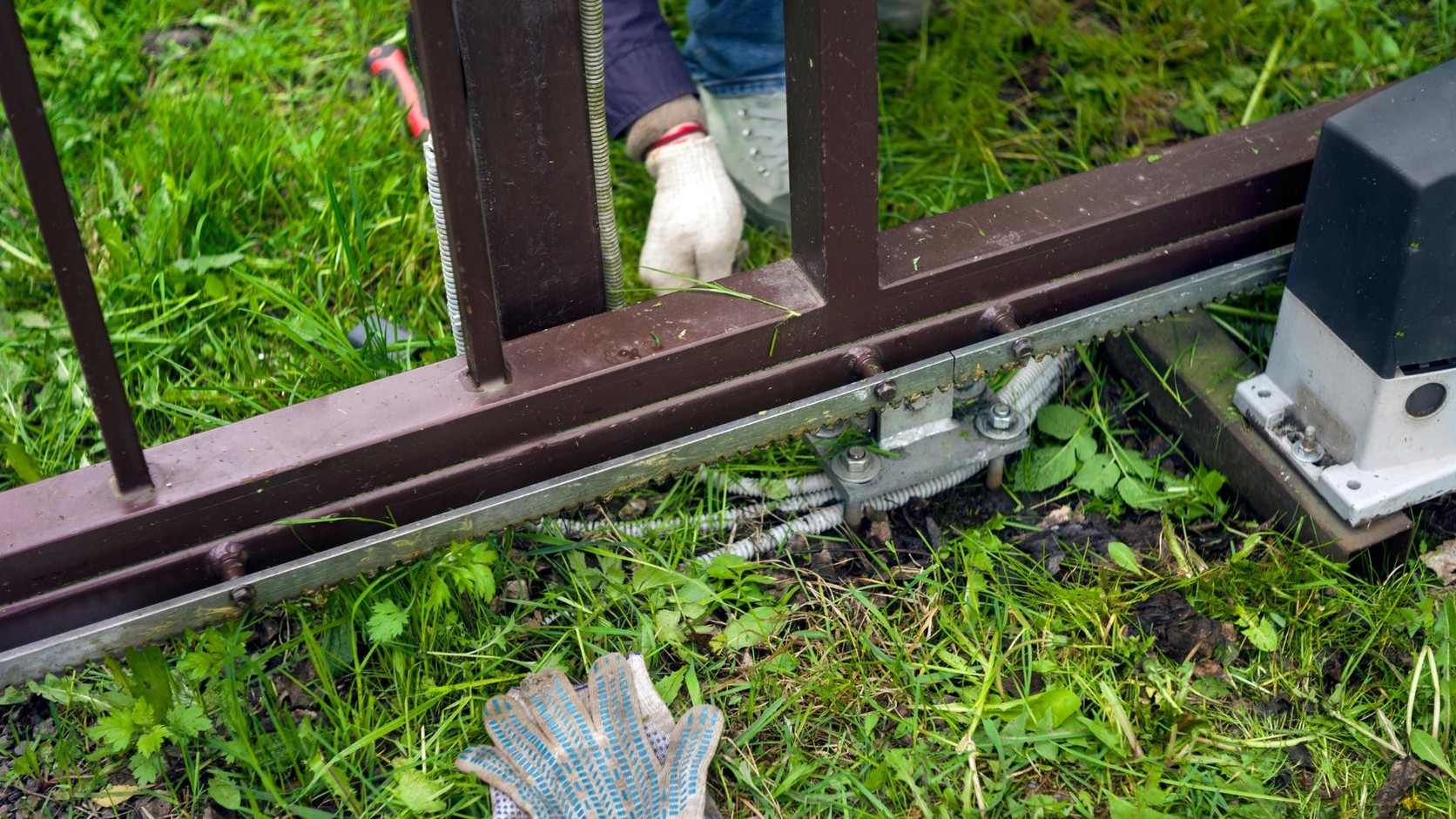
Integration with existing hardware is a practical concern. If you already have an automatic gate, the new access control system needs to be compatible with the gate operator’s control board. ParkPro assesses compatibility before specifying any system.
ParkPro Installs Smart Entry Systems Across the Phoenix Metro
ParkPro has been installing access control systems for HOAs, commercial properties, and residential clients across Phoenix, Mesa, Scottsdale, Chandler, Gilbert, Tempe, and Avondale since 1978. The team can assess your property and recommend the right credential type, reader hardware, and management platform for your specific situation.
parkpro.com/contact/ to get started.