What Is an Access Control System? How It Works and Why Your Business Needs One
An access control system is a security technology that manages who can enter or exit a physical space, and when. It replaces traditional locks and keys with electronic credentials like cards, PINs, or mobile apps. The system verifies each credential, grants or denies access, and logs every entry event for review.
The Four Components of Every Access Control System
Every access control system, from a basic single-door keypad to a multi-building enterprise platform, has the same four functional components.
The credential is what the user presents to prove their identity. It can be a physical card, a key fob, a PIN, a smartphone, or a biometric marker like a fingerprint or face scan.
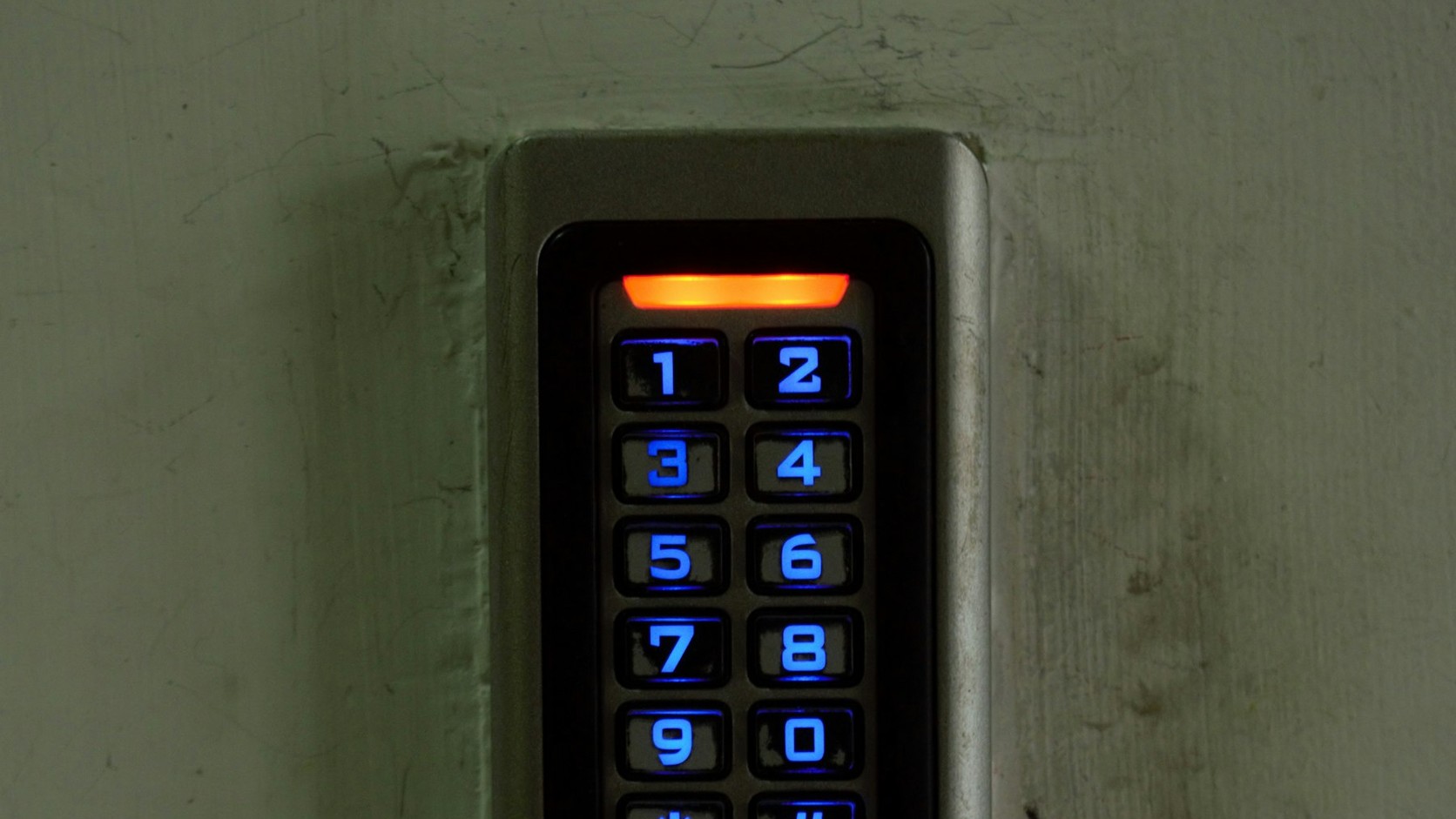
The reader is the device that captures the credential. Card readers, keypads, biometric scanners, and Bluetooth receivers all fall into this category. The reader does not make access decisions, it just reads what is presented and passes it to the controller.
The controller is the brain of the system. It compares the credential against its stored access rules and determines whether to grant or deny entry. Controllers can be standalone units at a single door or centralized systems managing dozens of doors from one platform.
The locking mechanism is what physically restricts access, an electric strike, a magnetic lock, an electrified mortise lock, or in the case of gates, the gate operator itself. The controller sends an unlock signal to the locking mechanism when access is approved.
Physical Access Control vs Logical Access Control
Physical access control manages who can enter a space. Logical access control manages who can access a computer system, network, or digital resource. This post covers physical access control, the type that controls doors, gates, and barriers.
The distinction matters because some vendors use access control to mean IT security products. If you are looking for a system that controls who enters your building or property, you want physical access control.
How Does an Access Control System Work, Step by Step
A user approaches a controlled door and presents a credential, taps a card to a reader, enters a PIN, or holds their phone near a Bluetooth reader.
The reader captures the credential data and sends it to the controller. The controller checks the credential against its access rules: is this credential valid, is this user authorized for this door, is this within the allowed time window?
If the check passes, the controller sends an unlock signal to the electric strike or magnetic lock. The door releases and the user enters. The event, credential, door, time, outcome, is logged.
If the check fails, the door stays locked and the failed attempt is logged. Depending on the system configuration, repeated failures can trigger an alert to the administrator.
Benefits of an Access Control System for Phoenix Businesses
Traditional key systems have no audit trail. You cannot know who entered a room or when. You cannot revoke access without rekeying the lock. When an employee leaves, you either trust that they returned their key or you rekey, which costs money and time every time it happens.
An electronic access control system solves all of these problems. Access is revoked in seconds from a web dashboard. Entry logs show exactly who entered every controlled door and when. Time-based rules mean a contractor’s credential only works during business hours on the days you specify.
For Phoenix commercial properties, HOAs, and facilities with rotating contractors and vendors, this level of control is not a luxury, it is basic security hygiene. ParkPro’s
access control systems are designed specifically for the types of properties common across the Phoenix metro: commercial office buildings, gated communities, apartment complexes, and multi-tenant facilities.
How Access Control Integrates With Gates and Cameras
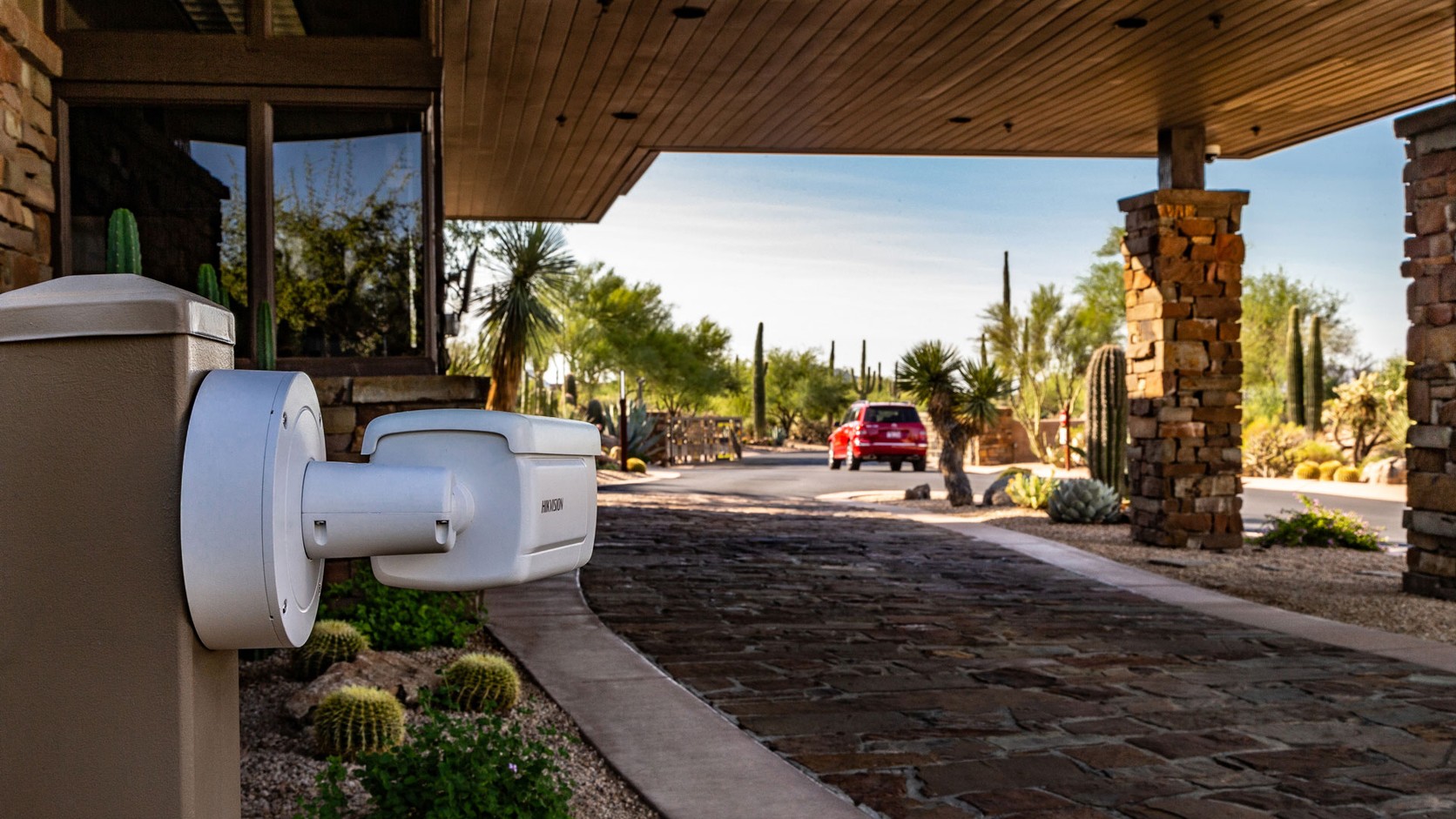
In practice, most Phoenix commercial and HOA properties want gate access and building access to work together. A vehicle approaches the gate, the driver presents a card or uses a remote, and the gate cycles. The same credential that opens the gate may also open the building.
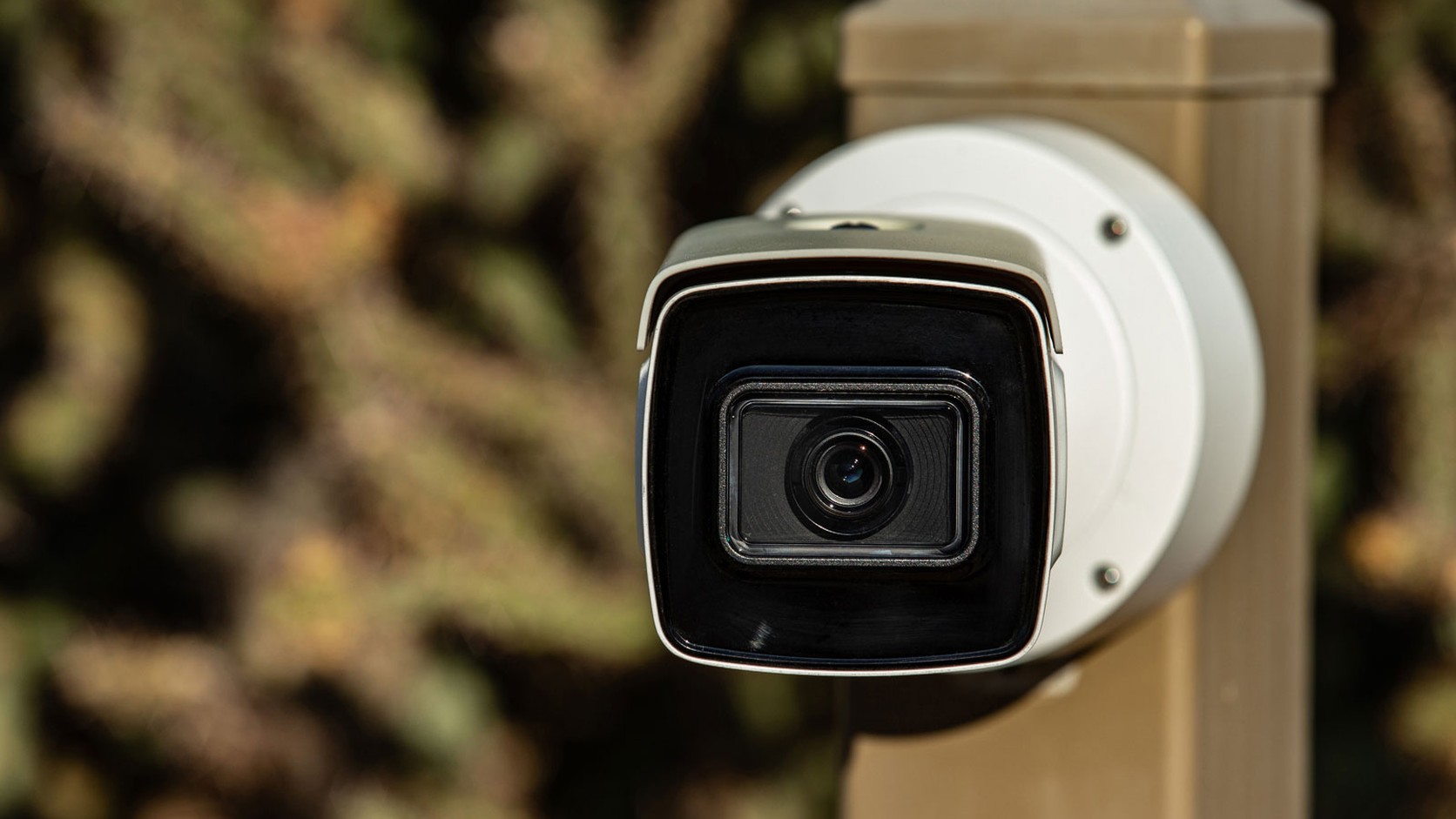
Camera systems add another layer, recording who entered, giving visual confirmation of every access event, and providing footage if an incident needs to be reviewed. ParkPro designs integrated systems where
security cameras, access control, and gate automation share a common infrastructure.
Get a Free Access Control Assessment for Your Phoenix Property
ParkPro has been installing physical access control systems for businesses, HOAs, and residential communities across Phoenix, Mesa, Scottsdale, Chandler, Gilbert, and the surrounding Valley since 1978.
Call 602-254-0770 or visit parkpro.com/contact/ to schedule a free site assessment.